Why Cassava Farming is Key to Food Security
Read More
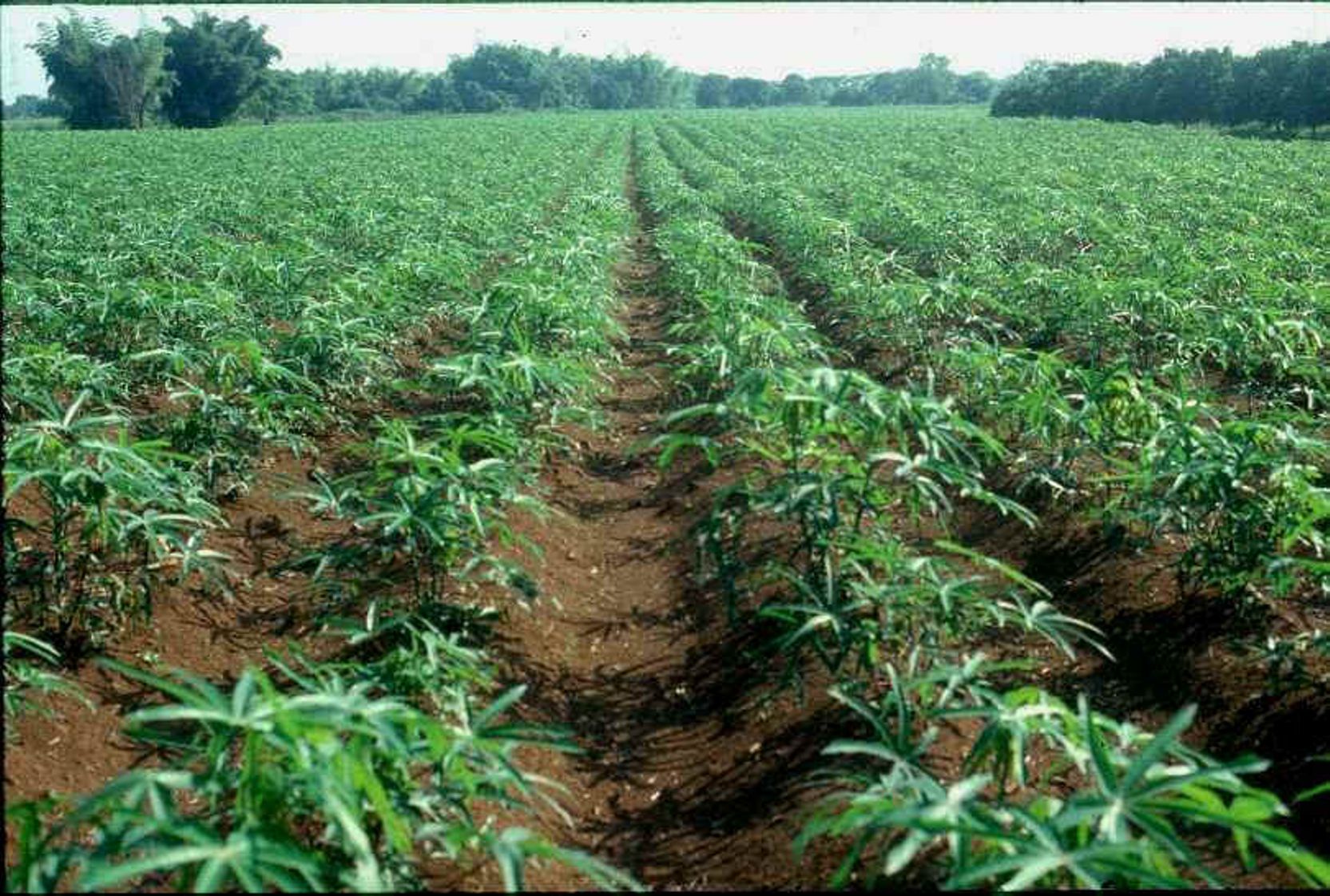
With sustainable farming practices, communities can grow their own food, improve nutrition, and reduce hunger. By investing in agriculture, we empower local farmers and ensure food security for future generations.

Grown without harmful chemicals or pesticides, organic cassava retains its natural nutrients and supports better digestion and energy levels. Choosing organic cassava means choosing a healthier and more sustainable life for you and your family.
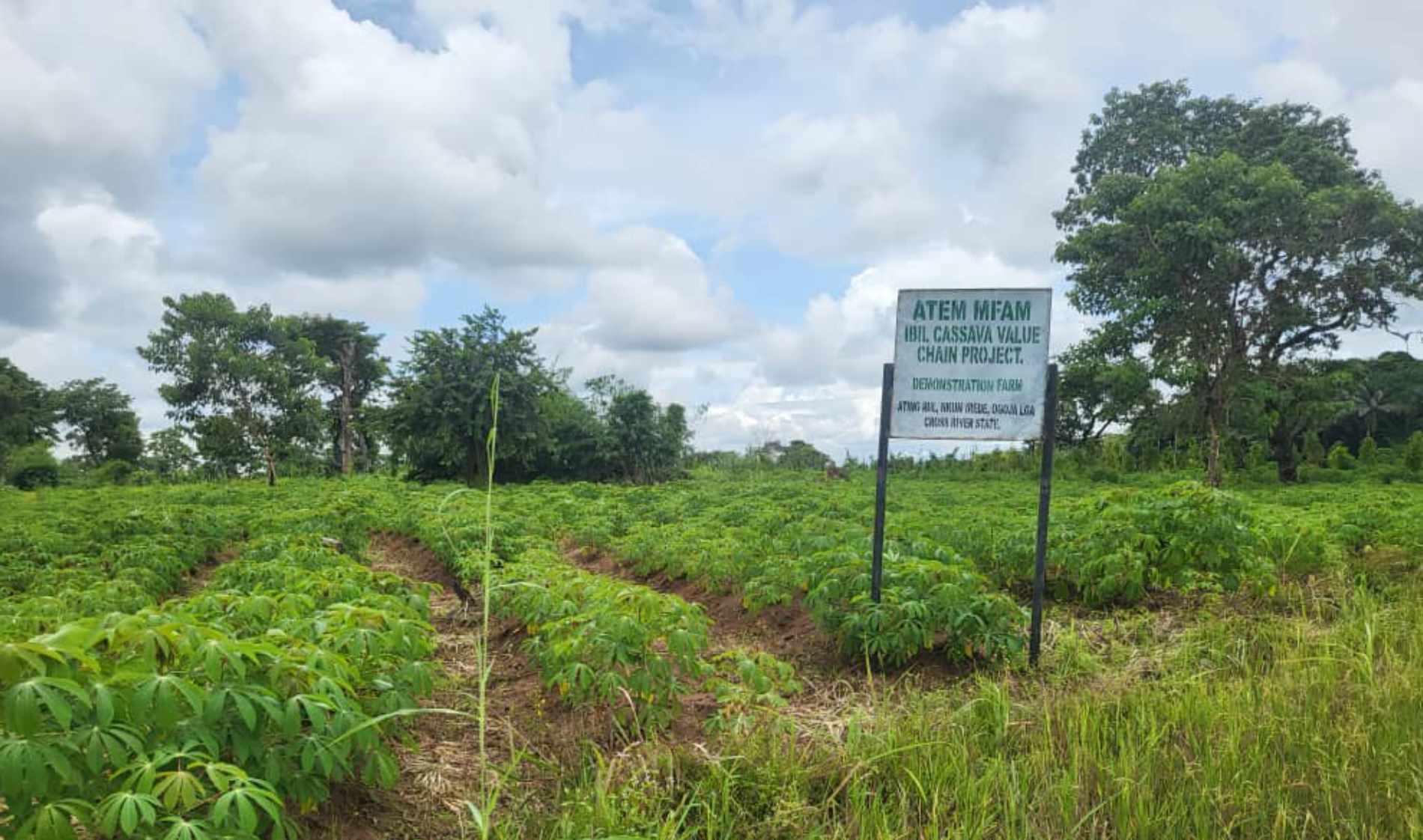
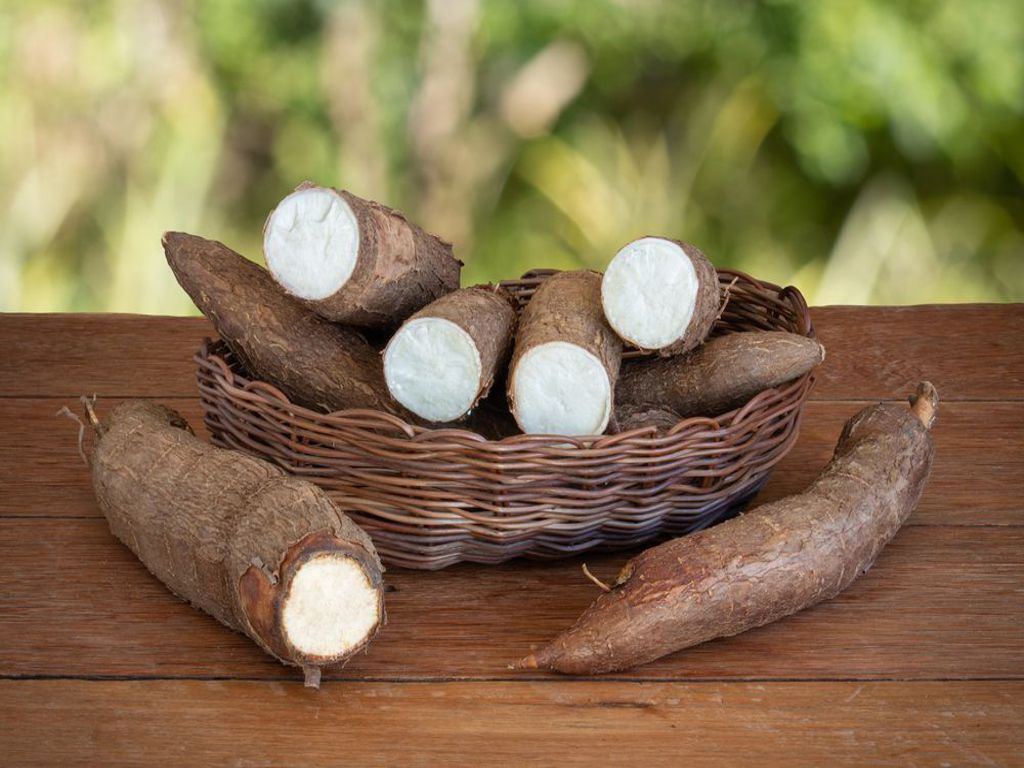
Cassava is a versatile, affordable, and nutritious crop that supports food security and sustains millions of families. From rural farms to urban homes, cassava remains a vital source of energy and nourishment for all.
Unlocking food security, income, and resilience through cassava farming
Cassava thrives in poor soils and harsh conditions, providing reliable harvests where other crops may fail.
Cassava creates market opportunities and boosts farmer income sustainably.
Cassava serves as a staple food crop, ensuring steady food supply and reducing hunger risks.
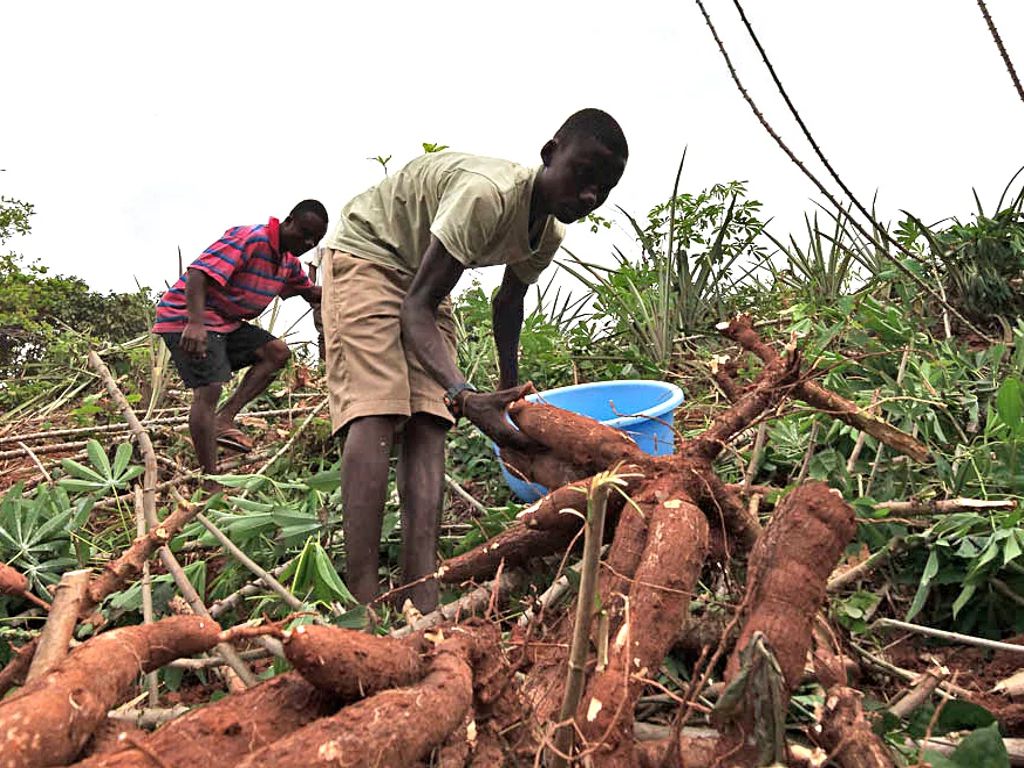
Cassava farming generates income for rural families, promotes trade, and drives community development.
Cassava ensures food security in harsh climates, reducing hunger risks.
Embracing sustainable methods protects the environment and ensures long-term productivity.
Quality produce increases demand, ensures better prices, and boosts income for farmers.
Cassava farming empowers rural communities by generating income and reducing poverty.
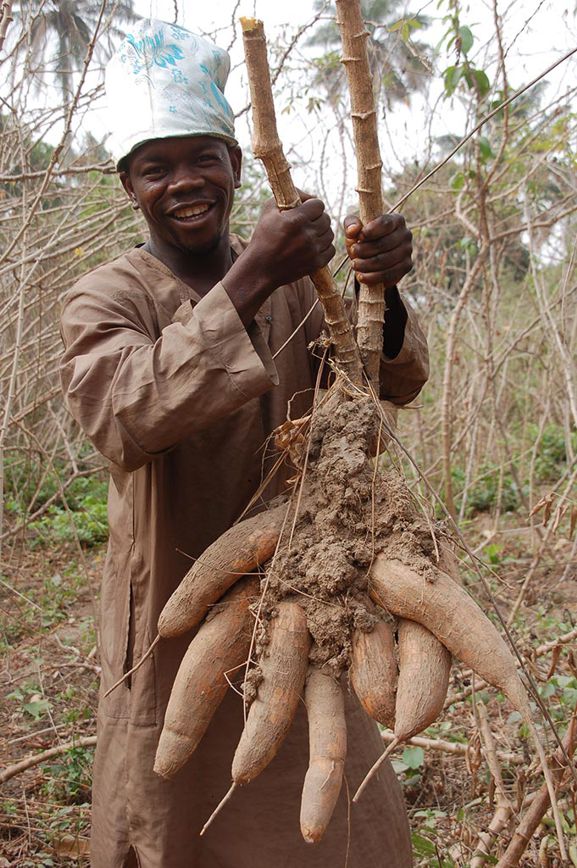
Cassava is a climate-resilient crop that grows in diverse soil conditions, provides reliable income for farmers, and ensures a stable food supply for millions. It’s more than a root—it's a lifeline.
Cassava thrives in marginal soils where other crops struggle, making it ideal for rural farmers.
Cassava requires minimal water and remains productive in dry climates, ensuring harvests during tough seasons.
With growing markets for cassava flour, starch, and chips, farmers enjoy steady income and business opportunities.

Farming sustains families, feeds communities, and builds stronger economies. It connects people with nature and promotes healthy living through locally grown food.
Discover our latest articles
 March 10
 May 21
 June 30
Stay informed with expert tips on cassava farming, market insights, and updates—delivered straight to your inbox.


